Book Gallery
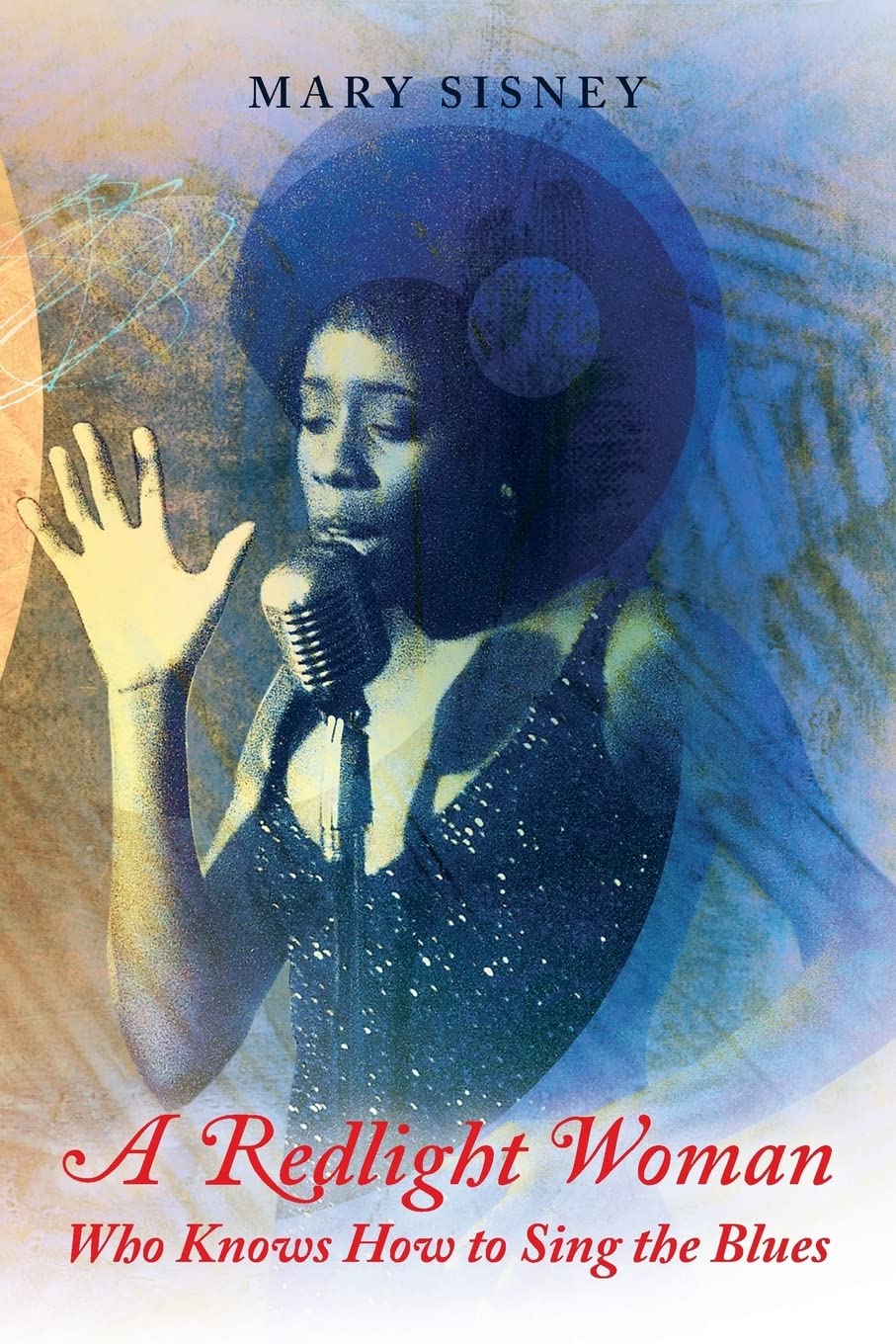
A Redlight Woman Who Knows How to Sing the Blues: My Life in White Institutions
Mary Sisney’s memoir loosely fits several genres: 1) The American dreamer’s story of how she survived personal struggles and overcame socio-economic barriers to achieve success 2) The popular teacher’s description of her classroom experiences 3) The pre-civil rights era Southern black person’s story of experiences with racism 4) The nonwhite woman’s narrative of experiences with institutional sexism and racism 5) The baby boomer’s description of experiences with the cultural, sexual, and socio-political revolutions of the 1960’s and 70’s. But just as Dr. Sisney was never completely integrated into the white institutions where she studied and taught for forty-eight years, her memoir cannot be easily categorized. It is unique. Like most success stories, hers highlights the need for hard work, discipline, and determination. But she also offers some unusual explanations for her success. She gives her two weak father figures–an alcoholic father and a spendthift stepfather–credit for making her an independent, self-sufficient woman. She also believes in the power of negative (that’s right, negative) thinking and feels that her ability to complain loudly, which she calls singing the blues, has helped her overcome many of the hardships that she has faced in her life. Like most popular teachers, Sisney enjoys the company of students, has a good sense of humor, and listens as well as she talks. But she feels that one of her greatest assets as a teacher is her low sex drive, which prevents her from having sex with her students. She also feels that being a black woman in predominantly white institutions gives her a perspective that most other teachers don’t have, and that perspective is most helpful not when she’s teaching Toni Morrison, Amy Tan, or Louise Erdrich, but when she’s teaching the traditional white male writers, like Ernest Hemingway, William Faulkner, and F. Scott Fitzgerald. When she teaches Great Gatsby, she answers questions that the average reader doesn’t ask, questions like why aren’t there more black people in a novel set in New York during the height of the Harlem Renaissance? And why does Nick Carraway describe the black man who identifies the death car as pale? And if the well-dressed black man is pale, how does Nick know he’s black? Like most blacks born in the South during the last days of Jim Crow, Sisney tells tales of being called the racial slur that begins with “n” and rhymes with “trigger,” but she also was called that name in Boston in 1979. And she considers having spent her first six years in a segregated elementary school a benefit, a “head start” toward success. Like most nonwhite women, she discusses the difficulty of determining whether the oppression she faces is the result of her race or her gender, but she also says that in the English Department where she spent most of her career, her gender was more of a problem than her race. And the men who gave this tough-talking, mean-looking black woman the most trouble were not the sexually harassing “cave men,” but the mousy, “mealy-mouthed wimps.” Finally, while this black baby boomer experienced many of the revolutions as an undergraduate at Northwestern University during the late 1960’s and early 1970’s, her participation was minimal. She was a “scholarship girl” more interested in being educated and achieving economic security than in changing the world. She also wasn’t one of those free-loving, booze-drinking, acid-dropping, rolling-naked-in-the mud baby boomers, celebrated in nostalgic stories about Woodstock. And unlike former President Bill Clinton, she may have inhaled pot (since she was in the room while it was being smoked) without ever smoking it. Mary Sisney describes herself as a woman who doesn’t believe in the “one life fits all” argument, as someone who won’t fall in line and follow the norm. Her memoir reflects that philosophy. Her story is unique, provocative, entertaining, and inspiring.
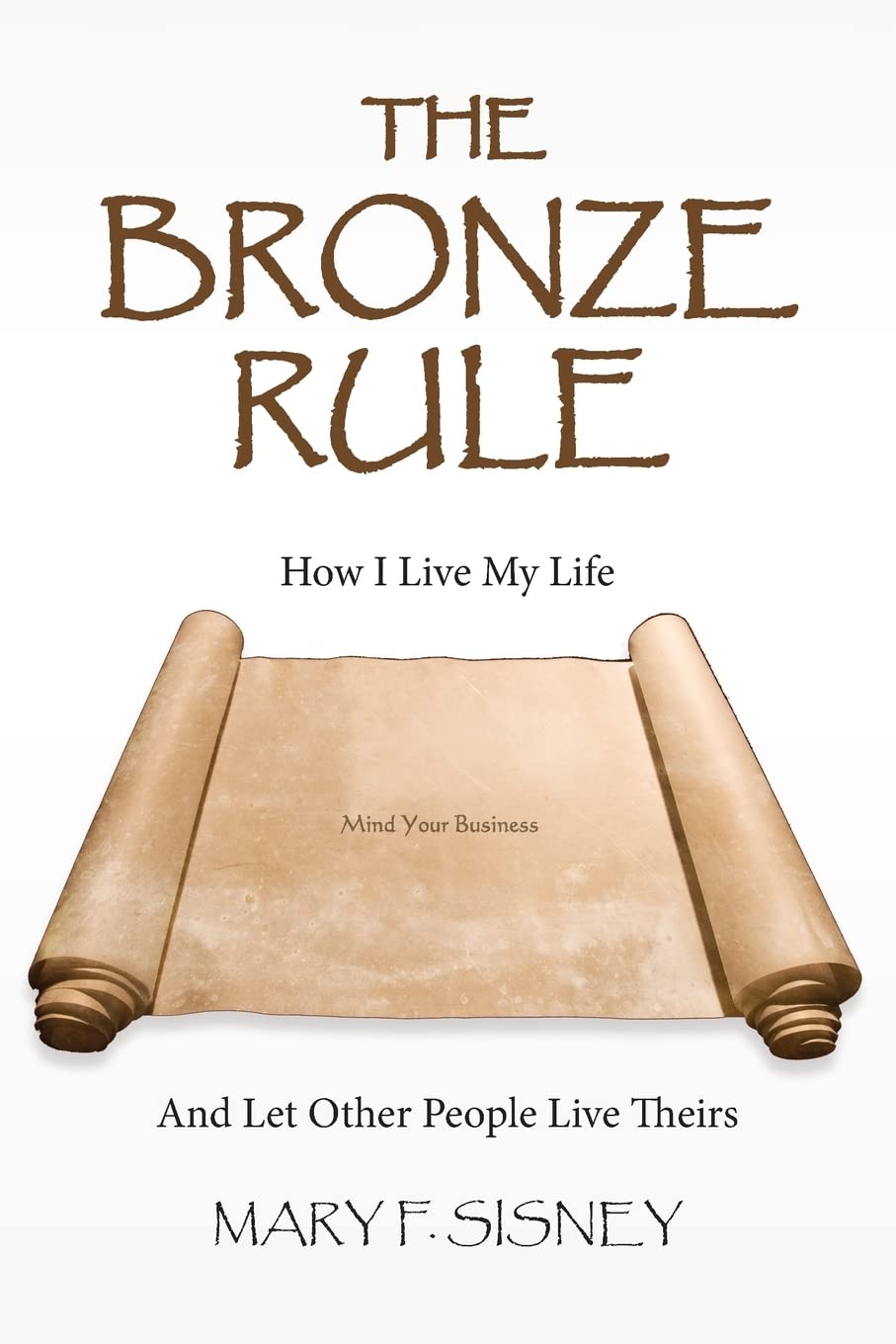
The Bronze Rule: How I Live My Life And Let Other People Live Theirs
Are you a social worker, teacher, or missionary? Like comedian Bill Maher whom she calls an atheist missionary, Mary Sisney creates a new rule. A companion to the Golden Rule (“Do unto others as you would have them do unto you.”), Sisney’s Bronze Rule states: “If they are not bothering you, don’t bother them. In other words, mind your business.” Teachers, who try to help people become smarter, better informed, clearer thinkers, and social workers, who try to help them become happier, healthier, and more self-sufficient, have less trouble minding their business than missionaries, who try to convert everyone to their way of thinking and living. The Bronze Rule is a humorous book with serious messages. It ends with a list of both serious (“Smarten the Vote Rules”) and comic (“Putting the ‘Real’ in Reality Rules”) Bronze Rules for all of us to live by so that we can stop bothering each other and live happily ever after.
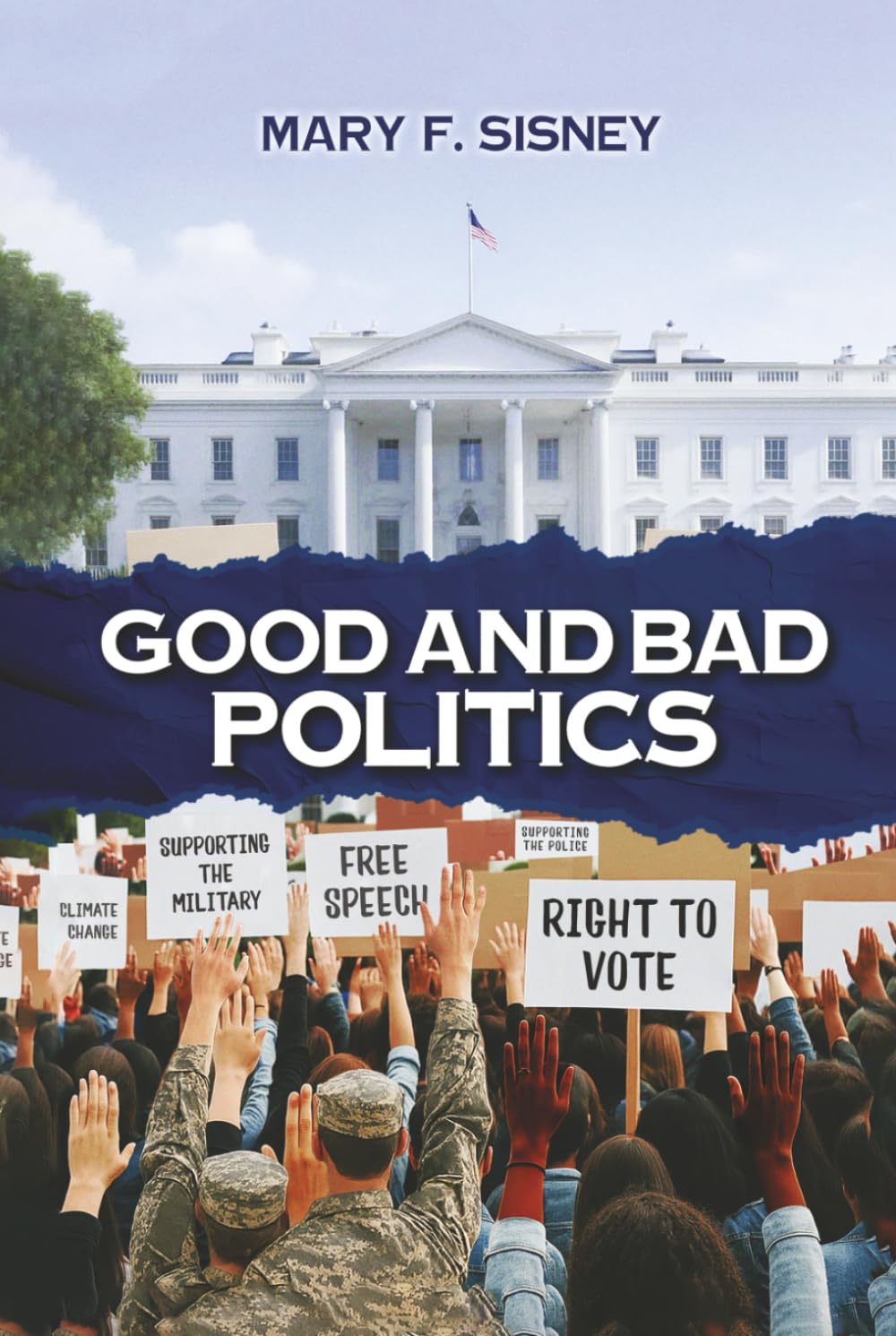
Good And Bad Politics
GOOD AND BAD POLITICS is an unfiltered and timely collection of political commentary from Mary F. Sisney, a retired professor, outspoken author, and fearless observer of the American political scene.
Gathered from over eight years of her most popular and relevant posts on the Goodreads social media site, this book chronicles Sisney’s sharp-witted take on the seismic shifts in 21st-century politics. With a candid, common-sense approach, Sisney tackles everything from the complexities of the Obama “Blacklash” and government shutdowns to the polarizing rise of Donald Trump, asking challenging questions like, “Why haven’t we gotten rid of the Electoral College?”